
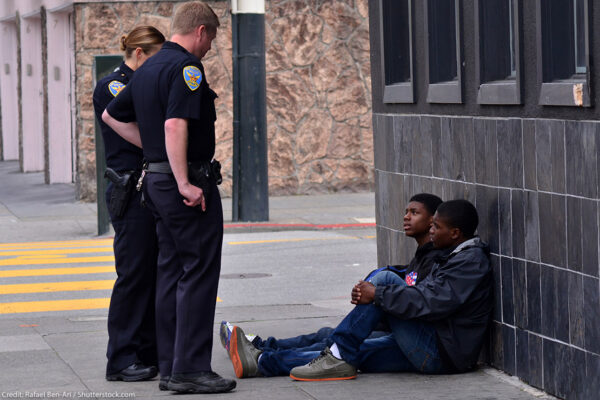
Leviticus – A complaint against a Leviticus police officer has prompted an internal investigation into his handling of a racial harassment report, after messages recovered during the inquiry raised questions about his attitude towards the family involved.
The family, who are of migrant background, contacted police following a dispute with neighbours in which racial slurs were used. The attending officer recorded the incident as a neighbourhood dispute and closed the matter without further investigation. The family then lodged a complaint against the officer with his superiors.
Investigators following up with the complaint recovered messages from the phone of the police officer in question, in which he described the family as people who “will never really be Sanctarian”. Additional exchanges with other officers in his station appeared to mock the family’s complaint, and question why police resources were being spent on what the officer himself judged to be a private disagreement.
These discoveries have led to the local police chief to open a formal internal investigation into the police officer’s conduct. However, the officer has not been named, and it remains unclear whether the investigation will extend to other members of the force who participated in the exchange. In addition, the Terra Monticolarum State Police has refused to further commented on the investigation other than to confirm its existence.
Asha Rahman, a second-generation migrant, solicitor and Leviticus city councillor with the Democratic Left Party, said the case raised concerns about how complaints from migrant-background residents were handled. “People should not have to wonder whether the officer taking their statement has already decided they do not belong here,” she said. “If an officer thinks a family is less entitled to protection because of its background, that is not just a political opinion,” she continued. “It raises questions about whether that family can expect the same treatment as anyone else.”
The publicity around this incident comes as second- and third-generation migrant families take on increasingly prominent roles in Sanctarian public life, while facing continued hostility from those who question their place in the country. The investigation will now examine whether those attitudes affected the way one family was treated by the police.
JENNIFER McSHANE, Special Correspondent
